
How Often Should You Fertilize Lawns in North Texas?
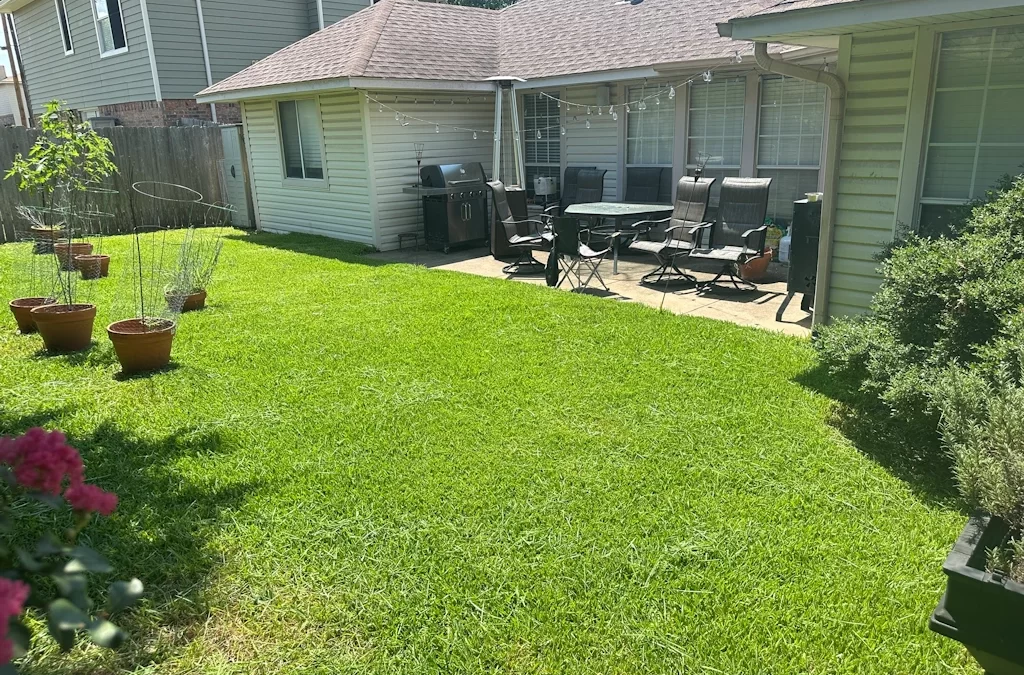
Fertilizing your lawn is important—but fertilizing too often, or at the wrong time, can create more problems than it solves. In North Texas, lawns respond best to seasonal fertilization during active growth, not year-round applications.
Knowing when to fertilize—and when not to—helps improve color, thickness, and long-term lawn health.
Why fertilization timing matters
Applying fertilizer too frequently or outside the growing season can:
- Stress grass during heat
- Promote excessive top growth
- Increase the risk of fertilizer burn
- Waste nutrients the lawn can’t use
North Texas lawns should be fertilized based on growth cycles, not a calendar or monthly routine.
Fertilization schedule for North Texas lawns
Most residential lawns in the Sherman and Texoma area benefit from three main fertilizer applications during the growing season:
- Spring: Supports healthy growth as grass comes out of dormancy
- Early Summer: Strengthens roots and improves heat tolerance
- Late Summer (September): Final application to carry the lawn through the end of the growing season
Once grass begins to slow growth and enter dormancy, fertilization is no longer effective because turf cannot properly absorb nutrients.
Grass type matters
Bermuda and St. Augustine lawns have different nutrient needs. Sun exposure, soil conditions, and lawn health all affect how fertilizer should be applied.
A tailored approach ensures nutrients support the grass—not weeds or stress.
Professional fertilization vs DIY
Professional fertilization programs consider:
- Soil conditions
- Weather patterns
- Weed pressure
- Lawn history
This leads to more consistent results and avoids unnecessary applications when the lawn cannot benefit.
Looking for a fertilization plan built for North Texas lawns?
👉 Request a custom lawn care plan with Yard Doctor today.